What Is the Ligamentum Flavum? Why Does it Matter?
The ligamentum flavum is a spinal ligament that connects the vertebrae along the rear of the spinal canal and can become relevant in spinal stenosis. Understanding its role may help explain lower back and leg pain.
What Are the Functions of the Spinal Ligaments?
Spinal ligaments are supportive structures. When working they link the bones in your spine while still allowing for limited motion. Like other components of the spine they assist the movement of the bones in the back and joints of the spine.
Normal joint function and range of motion can be reduced if these structural supports begin to change.
The ligamentum flavum is especially relevant as an element of the lumbar spine.
What Is the Ligamentum Flavum?
The ligamentum flavum is a broad, elastic, yellow colored ligament found along the posterior, or back side of the spinal canal. It connects the vertebrae, or spinal bones. The spinal canal is a tube made by the vertebrae that runs along the whole length of the spine with the spinal cord and spinal nerves within in. The ligamentum flavum itself is fairly elastic or stretchy so that it can adjust to the various movements of the back that it undergoes.
The ligamentum flavum connects one vertebra to another. The ligamentum flavum is elastic allowing some movement in addition to providing stability.
What Actions Does the Ligamentum Flavum Support?
The ligamentum flavum like many of the spine stabilizing structures provides movement and stability. In normal use the ligament will stretch while the lower back is rounded forward. With this new curvature this posterior part of the spine is now extending back and the ligament folds over on itself. This is a perfectly acceptable movement for most people on a day to day basis unless the thickness of the ligament has changed and taken up additional space in the spinal canal. It is this latter issue that is connected to lumbar spinal stenosis.
Narrowing of the spinal canal is a significant problem because the space within the canal surrounds and protects the spinal cord and spinal nerves. A less stable canal might lead to pressure on the nerves within. This causes the symptoms often experienced by patients with spinal stenosis.
This narrowing could be due to issues in other locations as well. It is not abnormal for people with narrowing of the spinal canal to have a combination of problems within the vertebrae, discs, facet joints and ligamentum flavum contributing to the constriction.
What Causes Central Canal Stenosis?
Central canal stenosis is a narrowing of the spinal canal at the center of the vertebral column.
The spinal canal can narrow for various reasons one of which involves a number of the elements within including the discs, facet joints, ligamentum flavum and more. When these tissues start to bulge the space within the vertebral column begins to shrink. A large portion of spinal stenosis issues involve the lumbar region the lower back. When the narrowing occurs there patients might experience radiating symptoms to the back, thighs, legs and feet with the narrowing. The exact symptoms will depend on the location but the nerve roots within the lumbar spine are most prone to pressure with lumbar stenosis.
What Is Ligamentum Flavum Hypertrophy?
Ligamentum flavum hypertrophy describes the conditions involving thickening of the tissues present in this ligament.
As with other spine issues this can become a degenerative condition that progresses over time. Thicker ligaments mean that less space is available for the spinal nerves. When the disc facet joints and other spine structures around the spinal canal begin to bulge and protrude less vertical space is available within the canal. This vertical space reduction compresses neural tissues within the spinal canal.
This compression is the root cause for most spinal stenosis syndromes as well as the related leg pain and abnormal sensations that can accompany the central canal constriction.
How Can the Ligamentum Flavum Impact the Nerves in the Spine?
The ligament within the lower back can have a variety of effects. As it thickens the area within the spinal canal it spans over might become smaller as well. This in turn affects the nerves they become cramped and compressed when there is no room left in the canal. A thickened ligament will push against the upper portion of the canal the nerves then have even less room to remain in place without being squashed, pinched or compressed.
Nerve root compression leads to radiating discomfort in the lower back. This lower back soreness can extend to the thighs and legs as well depending on which nerves are affected by this condition.
Common signs that patients are experiencing narrowing of the central canal may include lower back pain discomfort radiating down one or both legs, tingling, numbness or weakness felt between the hips and ankles and general discomfort when standing. A patient might also experience pain when engaging in various activity types and find that sitting alleviates some of the discomfort. Each person will likely have their symptoms described in a slightly different manner however.
Why Does the Position of Your Spine Affect the Symptoms Patients Experience?
Spinal narrowing tends to be a progressive condition. That means that the narrowing will occur slowly and usually over time. The position of the spine can affect the size of the spinal canal with some positions providing additional space for the nerves and others compressing it even further. Flexion or forward bending tends to stretch ligaments. This also moves the weight forward with the ligament stretching and the vertebral column flexing some of the pressure on the neural structures is relieved. This explains partially why some people tend to experience discomfort in an upright position and less of it when sat and resting. The spine straightens once again when a person stands or walks around and the ligaments become tighter and thus begin to compress the nerves.
What Is the Shopping Cart Sign?
Shopping cart sign also known as the sign of the shopping cart relates to the types of signs that people with lumbar spine stenosis might exhibit. Those with narrowing of the canal might find that they are able to stand while pushing a shopping cart but the upright position without this support causes issues. Standing or walking upright causes increased discomfort in patients with lumbar spinal narrowing who find that forward bending alleviates some of their symptoms.
The cart sign is frequently seen in those with lumbar stenosis narrowing. It tends to show up as a result of problems exhibited in a group of structures however the ligaments, discs and facet joints all have to be working correctly for the pain to alleviate as the person bends over.
This symptom while frequently encountered is not definitive of this type of narrowing.
How Is Ligamentum Flavum Hypertrophy Diagnosed?
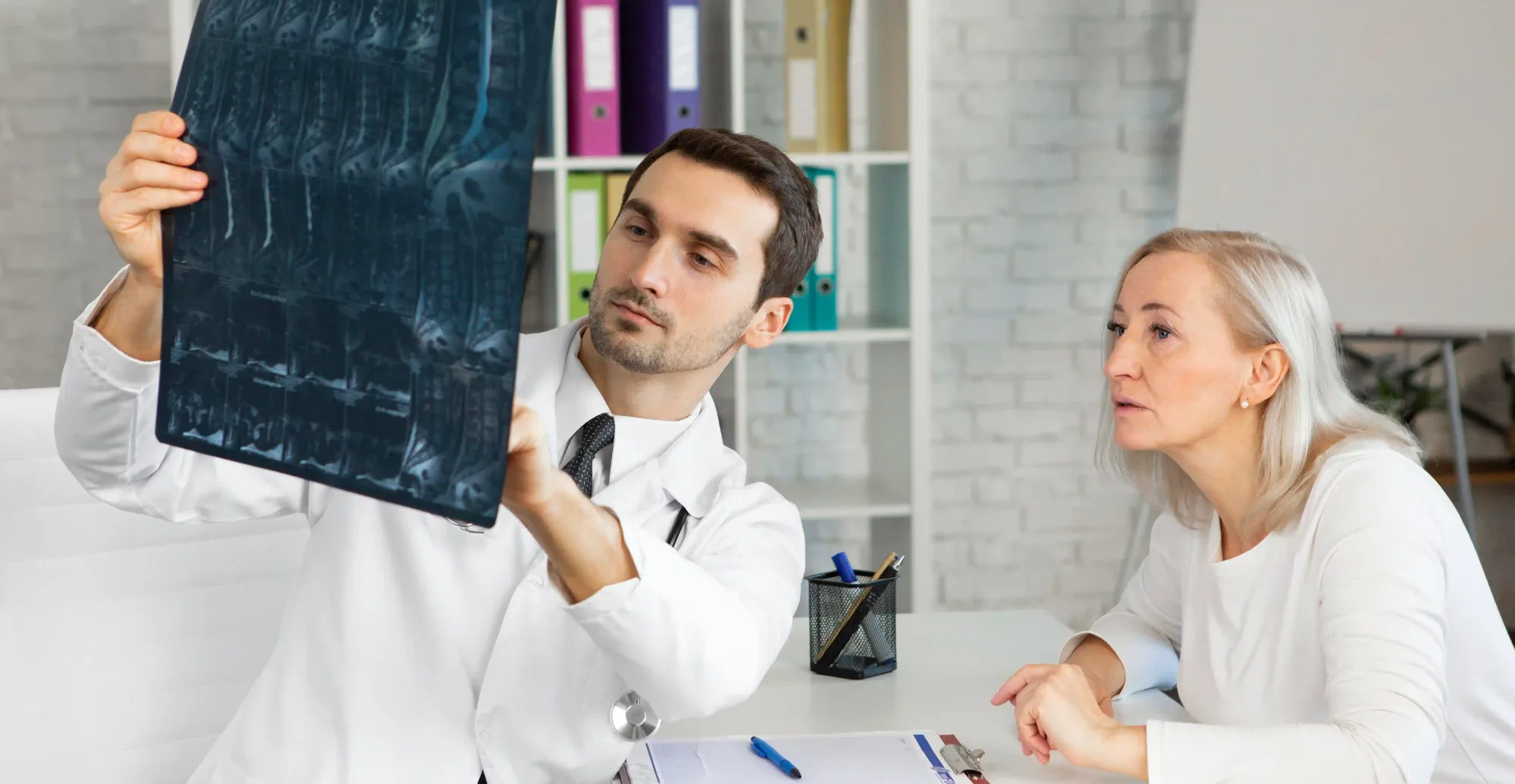
Physicians are likely to take radiologic imaging of the spine in order to see the entire arrangement of the bony spine structures. An MRI scan has the ability to image the ligamentum flavum the spinal discs and the nerves allowing physicians to determine whether or not this kind of narrowing is a part of a patient’s specific condition. The information obtained from diagnostic scans is not considered definitive by itself treatment will be based on the results and the patient’s symptoms in addition to neurological tests performed on the patient.
How Is the Spinal Canal Stenosis Treated?
Treatment options for spinal canal stenosis are based on the patient’s symptoms, personal condition and the structures involved in the constricting of the canal. Treatment options for spinal conditions including medical massage, physiotherapy, lifestyle adjustments, medications and other interventions recommended by appropriate healthcare professionals might be involved in managing the symptoms. In some cases surgical procedures might be explored as a method of creating more space for the nerves in the spine.
Every individual is different treatment considerations must be based around an assessment of each patient’s situation. A physician can discuss what options might be appropriate for a given person.
Can Ligamentum Flavum Thickening Be Prevented?
There are many conditions involving the spine and related structures that develop in time with age. As such it might not always be possible to prevent problems with the spine structures including this thickening of the ligaments.
A physically active life an attempt to maintain normal health functioning and seeking out appropriate medical treatment for persistent back issues are the best ways to take care of your spine.
Lumbar, cervical and thoracic spine issues such as persistent discomfort, numbness, tingling or weakness in the back, legs or arms, should always be addressed appropriately in an attempt to diagnose and treat any underlying spine problems.
The Ligamentum Flavum and the Spine
The ligamentum flavum is an important structure within the vertebral column connecting the upper to the lower vertebrae.
It expands and contracts with the movements of the upper back and lower back area.
When it thickens or grow its condition can begin to impact adjacent tissues. Specifically patients with this issue tend to develop lumbar canal narrowing as other structures in the same area begin to degenerate.
Understanding the causes of narrowing of the lumbar spine helps each patient become informed about the potential risks involved. Regenerative treatment approaches can also be researched as part of the broader discussion around regenerative medicine.
This article is for general information only and is not medical advice. Always consult a licensed physician. Individual results vary and no outcome is guaranteed.