Stem Cell Therapy for Hip Arthritis: Benefits, Safety, and What to Expect
Stem cell therapy for hip arthritis is a regenerative medicine treatment that uses stem cells to help reduce inflammation, relieve joint pain, and support the body's natural healing processes.
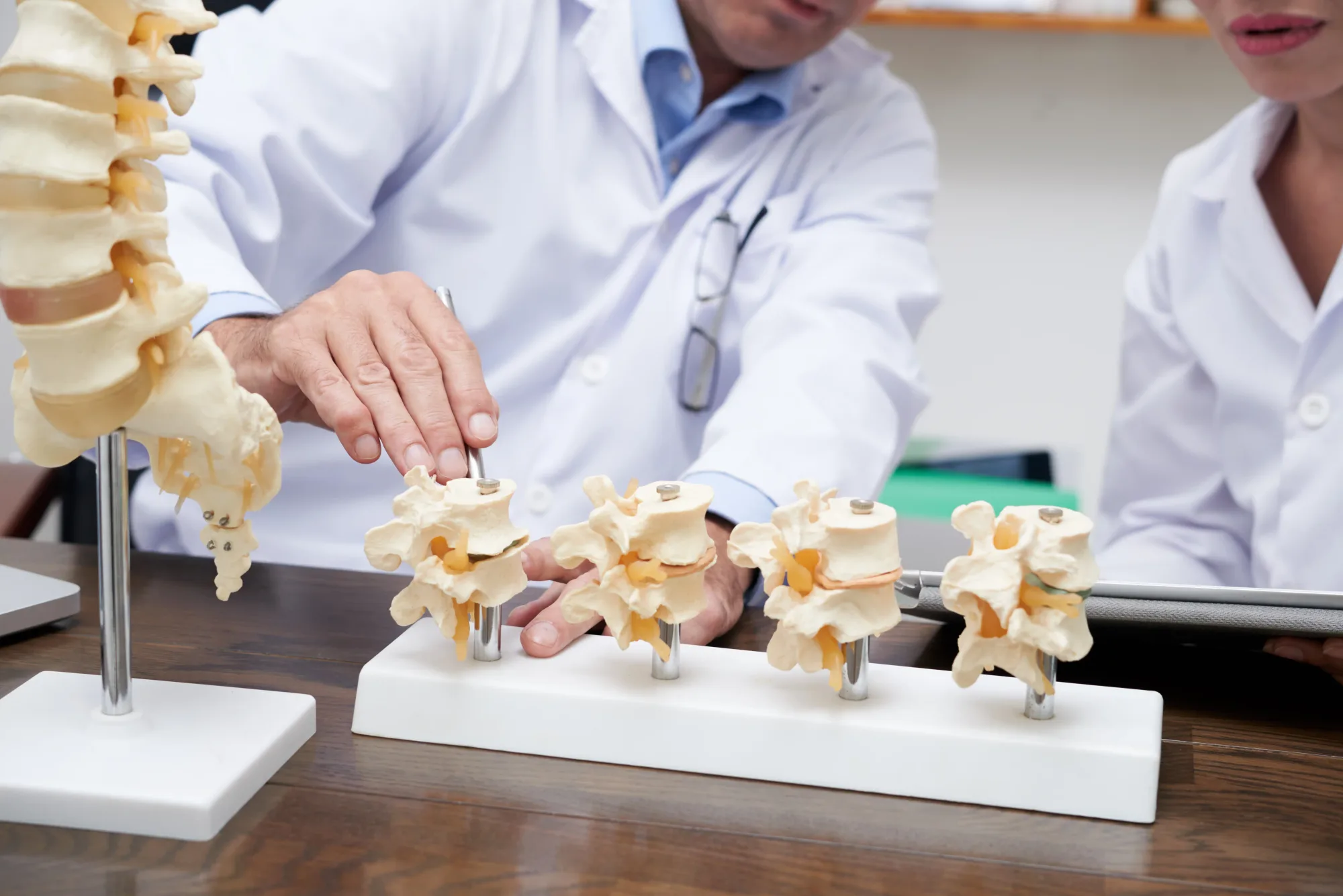
Stem cell therapy for hip arthritis is a regenerative medicine approach that uses stem cells to help reduce inflammation, relieve pain, and support the body's natural repair processes within the hip joint. Mesenchymal stem cells (MSCs) are the most commonly studied cells for hip osteoarthritis and may help improve joint function and mobility in some patients. While early clinical research shows promising results for symptom relief, stem cell therapy is still considered investigational for many forms of arthritis, and outcomes vary depending on the severity of joint damage, patient health, and treatment protocol.
Is stem cell therapy actually effective for hip osteoarthritis specifically?
This is the question most people landing here actually want answered, so let's not bury it.
Hip osteoarthritis is a slightly different animal than knee OA. The hip is a deeper, more constrained ball-and-socket joint, which makes it technically harder to inject accurately and means there is less clinical research on it than on the knee. A 2023 scoping review of hip-specific stem cell studies found only nine trials that met basic quality criteria: small numbers, mostly early-phase, mostly without control groups. That does not mean it does not work. It means "does it work" is not a yes-or-no question yet. It is a "here is what the current evidence actually supports" question.
What the existing studies do show fairly consistently: people report less pain and better mobility for somewhere in the range of one to two years after a single treatment, with a good safety record when the cells come from the patient's own body (autologous).
What they do not show yet: that it regrows meaningful new cartilage, or that it beats hip replacement for anyone with advanced, bone-on-bone arthritis. If you are at that stage, this is worth knowing before you spend anything.
Who tends to be a reasonable candidate: mild-to-moderate hip OA, still some joint space left on imaging, wanting to delay surgery rather than avoid it forever.
Who it is probably not for: severe bone-on-bone arthritis, active infection, or anyone who has been told by an orthopedic surgeon that replacement is the only remaining option. No clinic can regenerate a joint that has already collapsed.
What Is Stem Cell Therapy for Hip Arthritis?
Stem cell therapy is a minimally invasive treatment that involves injecting stem cells into the affected hip joint. The goal is to support the body's natural healing response, reduce inflammation, and improve joint function.
Mesenchymal stem cells (MSCs), obtained from sources such as bone marrow, adipose tissue, or donated umbilical cord tissue, are commonly used because they have anti-inflammatory and regenerative properties that are being actively studied.
What Causes Hip Arthritis?
Hip arthritis develops when the protective cartilage that cushions the hip joint gradually wears away. Without enough cartilage, the bones rub against each other, causing pain, stiffness, and reduced mobility.
Common causes include:
Osteoarthritis
Rheumatoid arthritis
Previous hip injuries
Aging
Joint overuse
Obesity
Genetic factors
How Stem Cell Therapy May Help
Stem cells do not simply replace damaged cartilage. Instead, they release signaling molecules that may help regulate inflammation and support tissue repair within the joint environment.
Potential benefits include:
Reduced inflammation
Decreased hip pain
Improved joint mobility
Better physical function
Enhanced quality of life
Possible delay in disease progression for some patients
Individual results vary, and not every patient experiences the same level of improvement.
Who May Be a Candidate?
Stem cell therapy may be considered for patients who:
Have mild to moderate hip osteoarthritis
Continue experiencing pain despite conservative treatments
Want to explore regenerative medicine options
Are looking for alternatives before hip replacement surgery
A thorough medical evaluation is necessary to determine whether treatment is appropriate.
What Happens During Treatment?
Treatment generally includes several steps:
Medical Assessment
The physician reviews medical history, symptoms, imaging studies, and physical examination findings.
Stem Cell Preparation
Depending on the treatment protocol, stem cells are prepared using approved laboratory procedures.
Injection Procedure
Using imaging guidance such as ultrasound or fluoroscopy, the physician injects the stem cells directly into the hip joint.
Recovery
Most patients return home the same day. Recovery recommendations often include temporary activity modification and follow-up evaluations.
What actually happens during a hip injection, step by step
If you have never had this done, the vagueness is half the anxiety. Here is the real sequence at most reputable clinics:
Cell collection. Usually a mini-liposuction from the abdomen or flank (for adipose-derived cells) or a bone marrow draw from the iliac crest, which is the back of your hip bone, ironically. Local anesthetic only, and it takes 10 to 20 minutes.
Processing. The tissue goes through a centrifuge or enzymatic process to concentrate the stem cell fraction. This happens on-site, usually within the same visit, and takes 30 to 90 minutes depending on the clinic's equipment.
Injection. The concentrated cells go into the hip joint under ultrasound or fluoroscopic (live X-ray) guidance. This part matters more than people realize: the hip joint is deep and easy to miss without imaging guidance, so if a clinic is not using one of these, that is worth asking about directly.
Recovery. Most people go home the same day. Expect some soreness for two to four days, limited weight-bearing for a short window depending on the clinic's protocol, and a gradual return to normal activity over two to six weeks.
The whole visit typically takes half a day to a full day if collection and injection happen on the same visit, which most of the clinics listed on this site do.
Potential Benefits
Many patients seek stem cell therapy because it may provide:
Pain Relief
Some patients report reduced chronic hip pain following treatment.
Improved Mobility
Reduced inflammation may help improve walking, climbing stairs, and everyday activities.
Better Joint Function
Improved comfort can contribute to increased physical activity and overall quality of life.
Minimally Invasive Treatment
Unlike joint replacement surgery, stem cell injections do not require large incisions or extended hospital stays.
Are There Any Risks?
Stem cell therapy is generally considered safe when performed by experienced medical professionals using properly screened stem cells.
Possible side effects include:
Temporary soreness
Mild swelling
Injection site discomfort
Minor bruising
Serious complications are uncommon but should be discussed with your healthcare provider before treatment.
What Does Research Say?
Clinical research continues to investigate stem cell therapy for hip arthritis. Early studies suggest that some patients experience improvements in pain, mobility, and joint function, but larger, long-term clinical trials are still needed to determine the most effective treatment protocols and identify which patients benefit the most.
How this compares to your other options
If you are weighing this against hip replacement, cortisone shots, or PRP therapy, it helps to see them side by side rather than read about them in isolation. Our PRP vs. stem cell therapy comparison breaks down cost, recovery time, and evidence quality for each. For a broader look at what is classified as hip osteoarthritis and how severity is staged, see our hip osteoarthritis condition page.
Questions to Ask Your Doctor
Before considering treatment, ask:
Am I a suitable candidate?
What type of stem cells will be used?
What results can I realistically expect?
What are the potential risks?
How many follow-up visits are required?
These discussions help patients make informed decisions based on their individual condition.
Frequently Asked Questions
How much does stem cell therapy for hip osteoarthritis cost?
In the U.S., a single hip usually falls somewhere between $4,000 and $10,000, with bilateral treatment and packages that add an IV infusion costing more. Our breakdown of what stem cell injections cost and why quotes vary so much covers what should be included in a price before you compare two clinics on the number alone.
How long do results last?
One to two years for most patients, based on current case series. Some report longer, some shorter, and how far the arthritis has progressed before treatment is a large part of the difference.
Is it covered by insurance?
Almost never in the U.S., since it is not FDA-approved for orthopedic use. That is one of the main reasons patients research treatment abroad.
Learn More with MyStemCellGuide
Understanding regenerative medicine is an important part of making informed healthcare decisions. MyStemCellGuide provides educational information about stem cell therapies, arthritis treatment options, current research, and patient resources to help individuals explore regenerative medicine with confidence.
Conclusion
Stem cell therapy for hip arthritis is a regenerative treatment that may help reduce inflammation, relieve pain, and improve joint function in selected patients. Although early research is encouraging, the therapy remains investigational for many arthritis conditions, and results vary from person to person. Consulting a qualified healthcare provider can help determine whether stem cell therapy is an appropriate option based on your symptoms, medical history, and treatment goals.
This article is for general information only and is not medical advice. Always consult a licensed physician. Individual results vary and no outcome is guaranteed.