Stem Cells vs PRP: What's the Difference and Which Treatment Is Right for You?
Discover the differences between stem cells and PRP therapy, including how each treatment works, potential benefits, ideal candidates, risks, and factors to consider before making a decision.
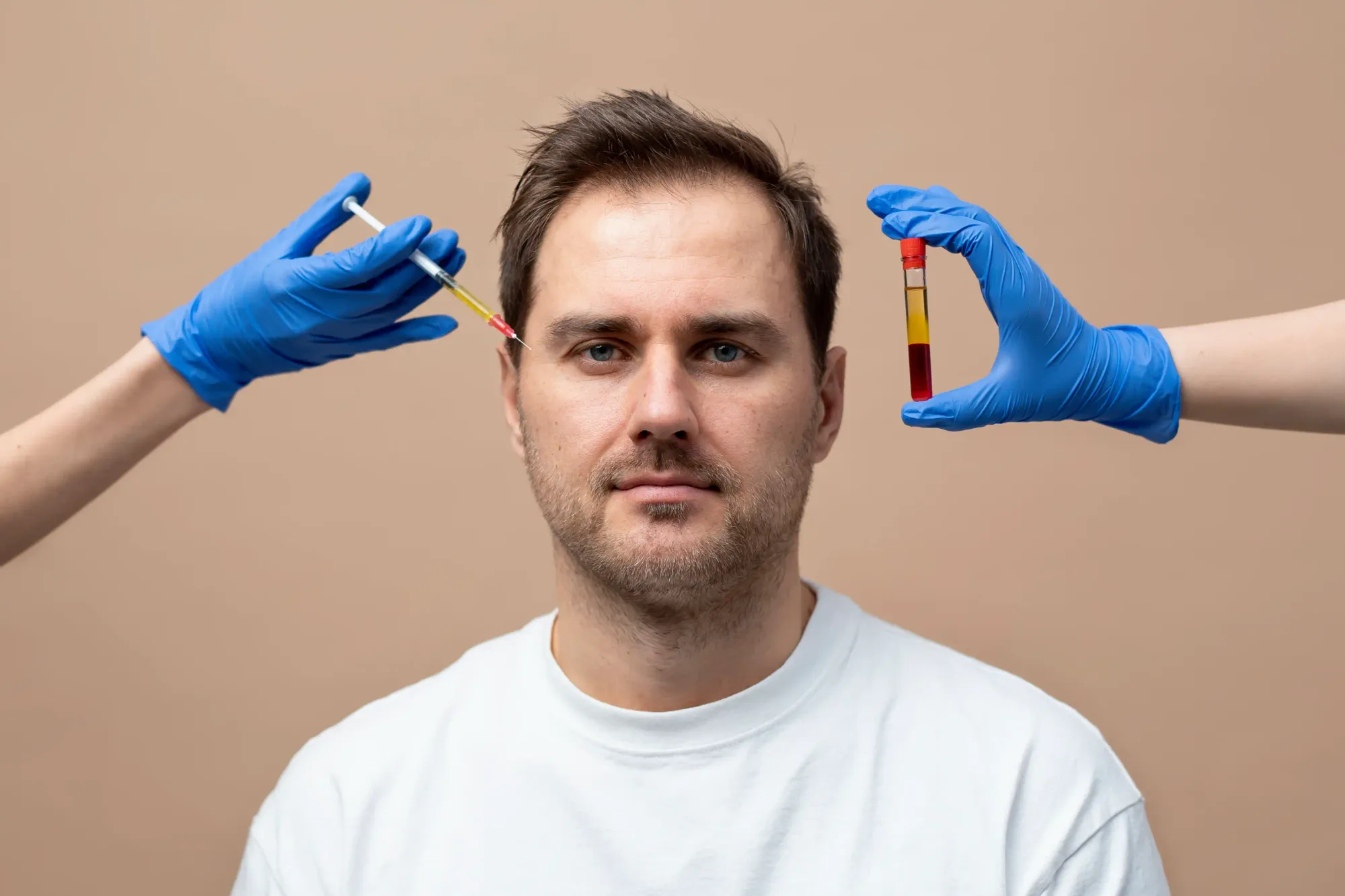
Regenerative medicine has introduced innovative approaches that aim to support the body's natural healing processes. Two of the most discussed options are stem cell therapy and platelet-rich plasma (PRP) therapy. While both treatments are used in regenerative medicine, they work differently and may be recommended for different clinical situations.
Patients researching these therapies often wonder which treatment is more appropriate for joint pain, sports injuries, arthritis, tendon problems, or other musculoskeletal conditions. Understanding the science behind each option can help patients have more informed discussions with qualified healthcare professionals.
In this guide, we'll explain how stem cells and PRP differ, their potential benefits, current evidence, possible risks, and factors that healthcare providers consider when determining whether either treatment may be appropriate.
The actual decision-making difference, not just a definitions table
Most comparison pages on this topic list what each treatment is and stop there, leaving you to work out which one applies to you. Here is the more direct version.
PRP uses concentrated platelets from your own blood, with no stem cells involved at all, and works primarily by delivering a burst of growth factors to speed up the healing response your body already runs. It is simpler to prepare, usually a blood draw and a centrifuge inside 30 to 45 minutes, cheaper at roughly $500 to $1,500 per session in the United States, and it has a longer track record in mainstream orthopedic and sports medicine. It is genuinely common in professional sports at this point.
Stem cell therapy costs more, takes longer to prepare, and involves an actual cell population capable of a broader range of regenerative signaling rather than a growth-factor boost alone. Our PRP vs stem cell therapy comparison sets the two side by side on cost, recovery time and evidence quality, and our guide to how much stem cell injections cost covers the current price ranges.
The practical pattern across clinics: PRP tends to get recommended first for mild to moderate cases, tendon injuries, and as a lower-cost starting point. Stem cell therapy tends to be reserved for more advanced joint degeneration, or for patients who have already tried PRP without enough improvement.
A combination is increasingly common. Many clinics now offer both in the same session, on the reasoning that PRP's growth factors may support the injected cells rather than the two approaches competing with each other. Where a clinic offers that, it is a reasonable middle ground to ask about rather than an automatic upsell to be suspicious of.
What Is PRP Therapy?
Platelet-rich plasma (PRP) therapy uses a concentrated portion of a patient's own blood. After drawing a small blood sample, the blood is processed in a centrifuge to separate and concentrate platelets.
Platelets contain proteins and signaling molecules known as growth factors, which play an important role in the body's normal healing response. The concentrated PRP is then injected into the targeted area by a trained healthcare provider.
PRP is commonly discussed for:
Tendon injuries
Ligament injuries
Mild osteoarthritis
Muscle injuries
Sports medicine applications
Certain dermatology and hair restoration procedures
What Is Stem Cell Therapy?
Stem cell therapy involves cells with the ability to develop into specialized cell types and influence tissue repair through signaling mechanisms. Different forms of stem cells are being studied for their potential applications in regenerative medicine.
Depending on local regulations and clinical practice, stem cells may be obtained from sources such as:
Bone marrow
Adipose (fat) tissue
Umbilical cord tissue (where permitted)
Laboratory research settings
Stem cell-based therapies continue to be an active area of medical research, and the availability, regulation, and evidence vary by country and by specific condition.
Potential Benefits of PRP
PRP therapy may offer several potential advantages in appropriate clinical settings, including:
Uses the patient's own blood
Minimally invasive procedure
Short treatment sessions
Widely used in sports medicine
Generally low risk of allergic reaction because the material comes from the patient's own body
Healthcare providers may recommend PRP for selected tendon injuries, mild joint degeneration, or other musculoskeletal concerns based on individual circumstances.
Potential Benefits of Stem Cell Therapy
Stem cell-based treatments are being investigated for their potential to support healing and tissue repair.
Potential advantages may include:
Focus on regenerative medicine approaches
Research into cartilage and tissue repair
Applications being studied for orthopedic and autoimmune conditions
Continued investigation through clinical trials
The effectiveness of stem cell therapies depends on the specific condition, treatment protocol, and quality of available clinical evidence.
Conditions Commonly Discussed for Each Treatment
PRP
Tennis elbow
Golfer's elbow
Achilles tendon injuries
Rotator cuff problems
Mild knee osteoarthritis
Plantar fasciitis
Stem Cell Therapy
Research is ongoing for:
Knee osteoarthritis
Hip arthritis
Degenerative disc disease
Cartilage injuries
Autoimmune diseases
Neurological disorders
Sports injuries
Not all uses are supported by the same level of scientific evidence, and many remain under investigation.
Conclusion
Stem cell therapy and PRP are both important areas of regenerative medicine, but they are not interchangeable. PRP focuses on concentrated platelets and growth factors, while stem cell-based treatments involve cells that are being studied for their potential role in tissue repair and regeneration.
The most appropriate option depends on the individual's diagnosis, goals, medical history, and the current scientific evidence. Consulting a qualified healthcare professional is essential before pursuing any regenerative treatment.
This article is for general information only and is not medical advice. Always consult a licensed physician. Individual results vary and no outcome is guaranteed.