MyStemCellGuide Breaks Down the ISSCR Statement on Human Embryonic Stem Cell Research
Human embryonic stem (hES) cells represent a foundational platform in stem cell science. Their capacity for sustained self-renewal and pluripotencythe ability to differentiate into all cell types in the body enables critical research into human development, disease mechanisms, and the development of new regenerative medicines.
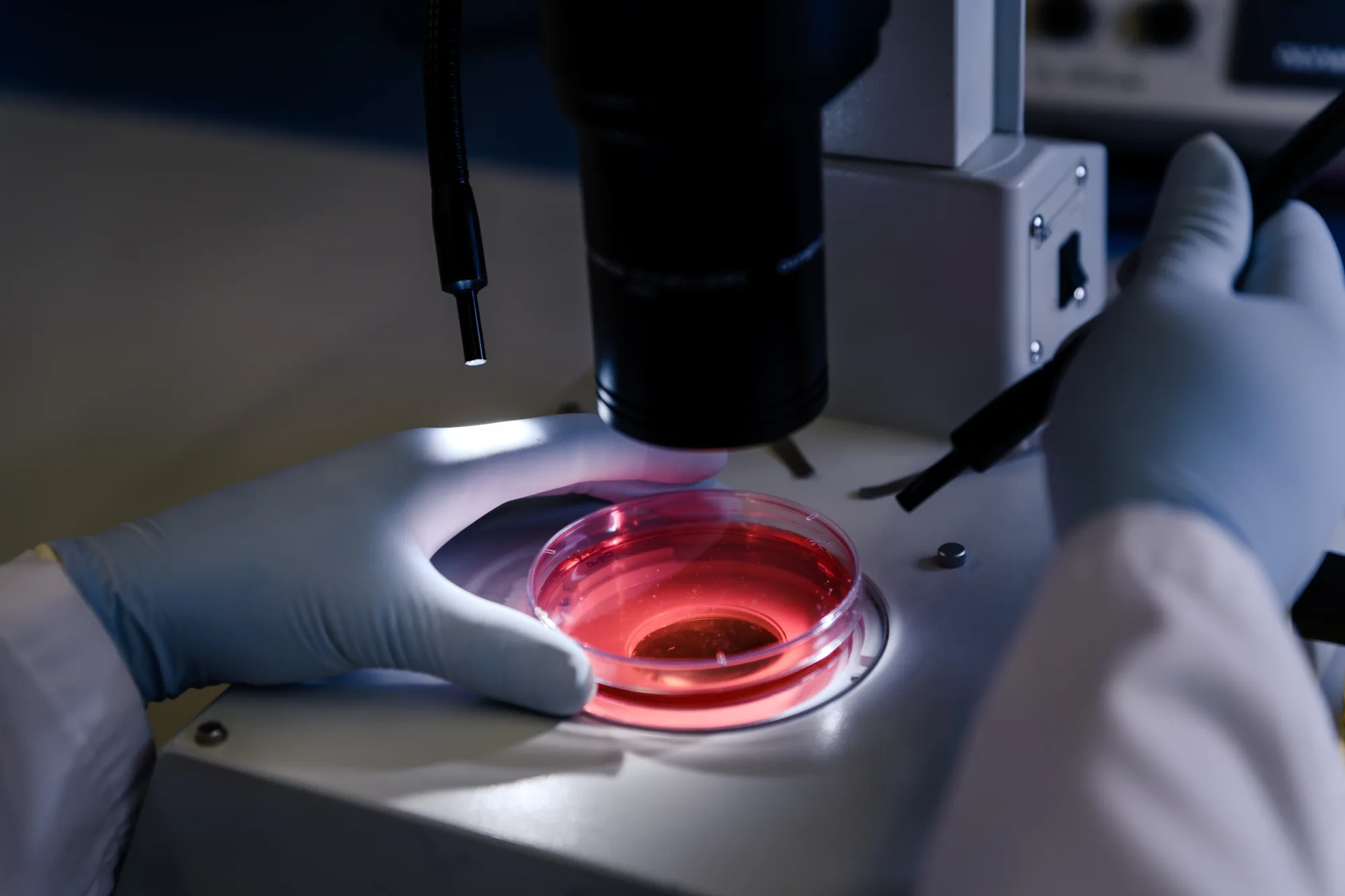
Human embryonic stem cells, often shortened to hESCs, have been part of federally funded research in the United States for more than two decades, spanning administrations from both parties. That funding has recently come under renewed scrutiny, with some members of Congress pushing to end it. Whatever side of that debate someone lands on, it's worth actually understanding what these cells are, why researchers consider them valuable, and what the current disagreement is really about.
What Makes Embryonic Stem Cells Different
Human embryonic stem cells are considered the gold standard for a property called pluripotency, meaning they have the ability to develop into essentially any cell type in the human body. Combined with their capacity to self-renew indefinitely in a lab setting, that makes them a uniquely flexible research tool. Scientists can use them to study how human tissues and organs form, how diseases develop at a cellular level, and how new cell-based treatments might work, all in ways that are difficult or impossible to replicate with other cell types.
That's not a small distinction. A lot of what researchers know today about early human development, and a lot of the groundwork behind emerging cell therapies, traces back to research that started with hESCs as the reference point other stem cell types are measured against.
Where This Research Has Led
hESC-derived cells are currently being studied in clinical trials for a range of serious conditions, including diabetes, spinal cord injury, heart failure, and macular degeneration. Some of the regenerative medicine progress covered on this site, including recent stem cell-derived retinal cell research for wet age-related macular degeneration, builds directly on decades of foundational work involving embryonic stem cells.
Researchers in the field argue that stepping back from this line of research now would slow down progress on treatments that are already showing real, measurable results in patients, not just theoretical potential.
Why the Funding Debate Exists
The current disagreement centers on federal funding, not on whether the research is legal. Federal funding for hESC research has never been permitted to be used to create or destroy human embryos, a restriction that has remained consistent since the funding was first established under President George W. Bush and continued through subsequent administrations. The research itself relies on stem cell lines derived from embryos that were originally created for fertility treatment and would not otherwise have been used, typically donated with consent after in vitro fertilization procedures.
Critics of continued federal funding generally raise ethical objections rooted in the belief that any research connected to embryo-derived material, even indirectly, raises unacceptable moral concerns. Supporters, including major scientific organizations like the International Society for Stem Cell Research, argue that the existing legal safeguards already address those concerns, and that the scientific and medical value of the research, built over 20-plus years of bipartisan support, is too significant to walk away from now.
This is genuinely a debate where reasonable people disagree based on different values, not just different facts, and it's worth understanding both the science and the ethical questions rather than treating it as a simple, one-sided issue.
Why This Isn't Just a Policy Footnote
For anyone following stem cell research and treatment options, including patients researching legitimate regenerative medicine, this policy debate isn't purely academic. Slower or reduced federal funding for foundational research tends to ripple outward over time, potentially affecting the pace at which new, evidence-based treatments move from early trials toward real clinical availability. Understanding where the science currently stands, and why organizations across the research community continue to advocate for it, helps make sense of a policy conversation that can otherwise feel abstract or purely political.
The Bottom Line
Human embryonic stem cells remain one of the most important tools in stem cell science, not because of politics, but because of what they've consistently shown researchers about human development and disease over more than two decades. The current funding debate is a real and legitimate disagreement over values and priorities, and it's one worth following closely if you're trying to understand where legitimate stem cell treatment options are likely headed next.
For more on the research actually driving progress in regenerative medicine, and how to separate genuine clinical advances from unproven treatments, explore more guides on MyStemCellGuide.
This article is for general information only and is not medical advice. Always consult a licensed physician. Individual results vary and no outcome is guaranteed.