L5-S1 Disc Bulge Treatment Options Without Surgery
Explore L5-S1 disc bulge treatment options without surgery, including pain management, physical therapy, lifestyle changes, and image-guided procedures.
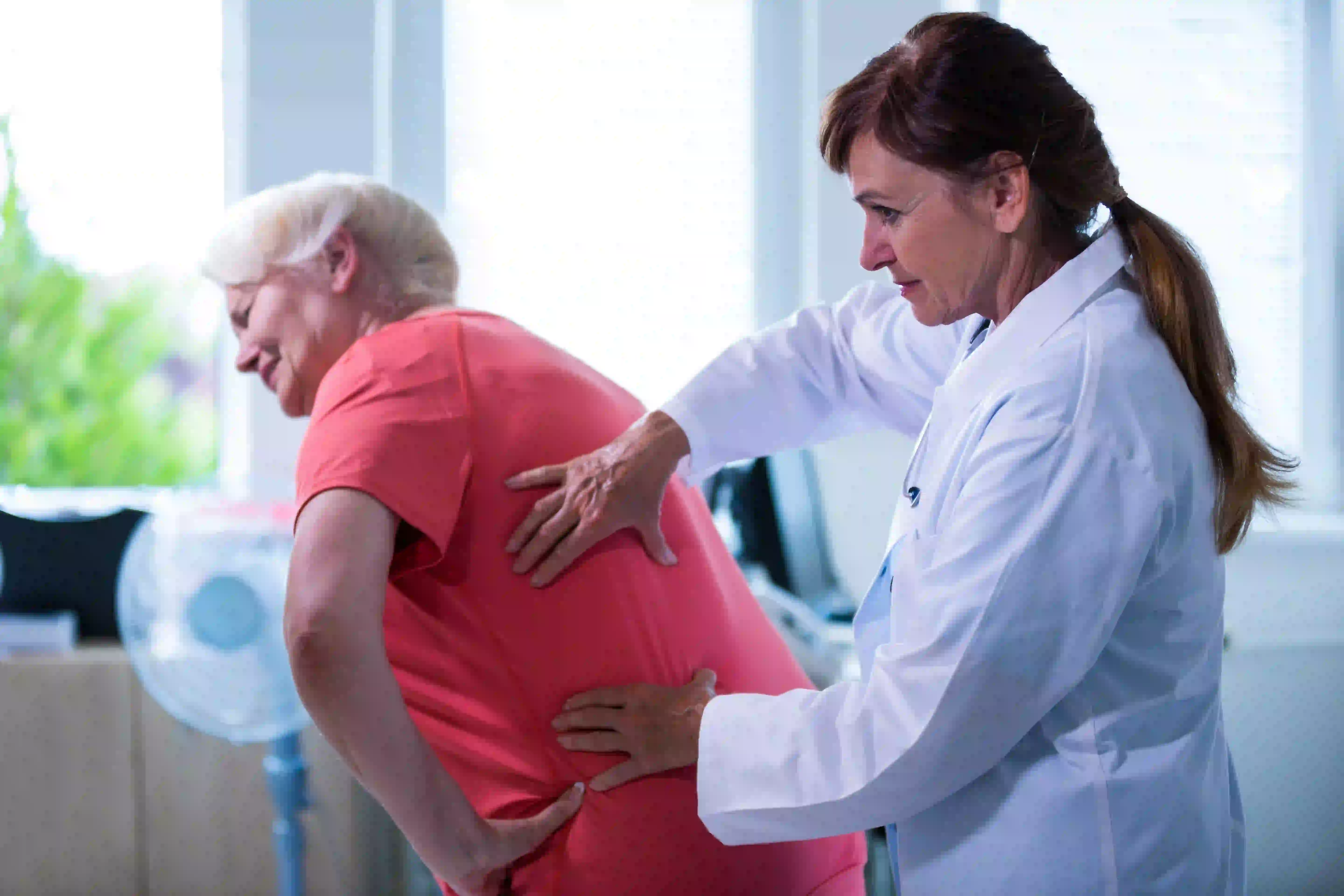
What Is a L5-S1 Disc Bulge?
The L5-S1 disc is located between the fifth lumbar vertebra and the first sacral vertebra. This area experiences considerable pressure during everyday activities.
The intervertebral disc is a part that has a center called the nucleus pulposus surrounded by a strong outer layer called the annulus fibrosus. A bulge happens when the disc pushes out beyond the annulus fibrosus.
Depending on where the bulges a person may feel pain numbness or a tingling feeling in different areas from the lower back down the backside and legs to the feet. A bulging disc is not the same as a herniated disc. In a herniated disc, the outer layer may develop a tear that allows some of the inner material to protrude. Both conditions have different treatment considerations.
Symptoms of L5-S1 Disc Bulge
The symptoms of a bulging disc can change depending on where and how big the bulges. In general the bigger the bulge the more likely it is to press on nerves and cause pain. Some people have aching pain when sitting or walking while others have constant pain in the lower back.
Some common symptoms of a L5-S1 disc bulge are:
Pain and feeling in the lower back.
Pain that moves from the back to the backside, legs and thighs.
Numbness or a tingling feeling in the feet.
Weakness in the legs.
Pain during certain movements especially when bending.
Pain from sitting or standing too long.
If you have any of the symptoms listed above you should see a doctor to check if you have a bulging disc or not.
Non-Surgical Treatment of L5-S1 Disc Bulge
The choice to have surgical treatment or surgery is made by the doctor considering the symptoms the health of the patient the size of the bulge and other things. If a person does not have signs of a problem they are given nonsurgical treatment.
Pain Medications
Pain from a bulging disc can be light or heavy in either case the doctor can give medication to help with the pain. Most of the time non surgical treatment may help with pain over time.
However only the doctor can say which medicines are best for the person’s body taking into account their health issues and possible side effects.
Physical Therapy
Physical therapy is a way to get back mobility and flexibility and to strengthen the muscles around the injured area. The doctor gives a set of exercises that the person can do.
If a person has an L5-S1 disc bulge they may be asked to do some back exercises to help with the pain. However it is important to choose exercises carefully, as the wrong movements can do more harm than good. If the exercises cause pain the doctor should be informed.
Chiropractic Therapy
Chiropractic is a way to treat a bulging disc. A professional can help with adjustments that can ease the pain and help the disc function better. However this procedure is not for people with nerve issues a talk with consultation with a qualified healthcare professional is needed to check the risks and benefits of the procedure.
Lifestyle and Home Remedies
Back pain from a bulging disc can make it hard for a person to do their tasks. Fortunately non surgical treatment can go with exercises at home to help with the symptoms.
For example it is important to not sit or stand for long and to avoid lifting heavy things if these things make the pain worse they should be avoided. Light exercise and a good diet are also important they help with recovery. Reduce pressure on the back.
Image Guided Pain Procedures
If non surgical treatment does not help with the pain other ways to manage the pain can be used. Image guided pain procedures are a way to treat bulging discs. Using tools the doctor can give an injection directly into the injured area with painkillers or special treatments.
These procedures use different approaches depending on the patient's condition and treatment plan. Their potential benefits and risks should be discussed with a qualified medical professional.
SCP Injectate
The SCP procedure is a way of treatment that uses the patient’s rich plasma. This procedure is mostly used to treat tissues tendons, ligaments, muscles that are inflamed because of a bulging disc.
It is important to remember that the amount of platelets in the blood is different for each person so the success and safety of the procedure must be discussed personally. Using image guidance technology the doctor takes a blood from the patient and separates the platelet rich plasma. The doctor then gives this treatment into the injured area helping with pain and starting the healing process.
Like any medical procedure the SCP procedure has things that can’t be used and side effects that the doctor needs to talk about with the patient. Also using platelet plasma affects how fast the tissue heals so this factor is important when thinking about how long the recovery will take.
Regenexx SD Injectate
This procedure is similar to the SCP procedure. It is used for muscle and bone problems for example a bulging disc. To help with the pain the doctor uses bone marrow concentrate (BMC) a treatment made from the patient’s bone marrow.
Again the doctor uses image guidance technology to take out BMC. The procedure is fairly new so it is important to think about the bad things before deciding on the SD procedure. The SD procedure is used for problems but each person has their own needs and worries.
Surgery For Bulging Disc
If non surgical treatment does not help with the pain surgery can be considered. These types of operations may be considered for a bulging disc when other options are not possible or have not may be considered when symptoms persist despite appropriate non-surgical treatment.
Surgery can take from three to six hours the specific type of operation is chosen by the doctor based on the patients symptoms and test results. There are operations that can be used for a bulging disc:
Discectomy – taking out part of the disk.
Laminectomy – removing part of the bone to take pressure off the spinal cord.
Spinal fusion – joining two or more bones.
Artificial disc replacement – putting in a new disc.
Foraminotomy – making the space around the nerve bigger.
After the doctor finds the place and how bad the bulge is using an MRI he chooses the surgery that will help the patient the most. The doctor will also talk about the risks and benefits of the operation well as what to expect. Some surgeries work better for some problems. Not as well for others.
If you have lower back pain and numbness in your legs you need to see a trauma doctor right away. If you can't control your bladder or bowels or if you have numbness around the area between your legs you need to go to the hospital these are signs of a serious issue called cauda equina syndrome. Also if you have weakness or can't move one or both legs you need surgery.
Regenerative Medicine And Spine Conditions
Regenerative medicine is a field that covers areas that study and use different ways to fix and grow cells and tissues. The success of procedures is different for each person and there are not many clear signs that apply to everyone.
To help you understand how regenerative medicine can help in your case we invite you to read our guide to spine and musculoskeletal conditions as well as the page with regenerative medicine treatment options. You can also talk to a specialist to see what treatments are best for your problem considering your choices and needs.
What To Consider When Treating Your L5-S1 Disc Bulge
When choosing the treatment for a bulging disc only a doctor can look at all the things symptoms, test results, risks and benefits. At the time the patient should not worry about all the choices each of them has reasons that should be discussed.
First you need to know if the MRI actually shows what you think it shows. Then you should check which non surgical treatments were talked about and why in your case one or another method can help.
The benefits and harms of methods should also be talked about as well as the proof that shows if they work. Also it is important to look at what costs and how cost effective each treatment is. In some cases getting a second opinion from another doctor can help all only the patient can decide what to do next.
A bulging disc at the level of the L5-S1 disc can cause lower back pain, stiff muscles, pain in the legs and other uncomfortable and painful problems. Depending on the patient’s features and their current health condition they may be able to use the many conservative treatment options that are available.
Image-guided orthobiologic procedures, such as those offered by Regenexx, may be considered by some patients exploring alternatives to surgery. Their potential benefits and risks should be discussed with a qualified medical professional.
This article is for general information only and is not medical advice. Always consult a licensed physician. Individual results vary and no outcome is guaranteed.