The Gordon Research Conference (GRC) and Seminar (GRS): Developmental Biology
The Developmental Biology GRC is a premier, international scientific conference focused on advancing the frontiers of science through the presentation of cutting-edge and unpublished research, prioritizing time for discussion after each talk and fostering informal interactions among scientists of all career stages.
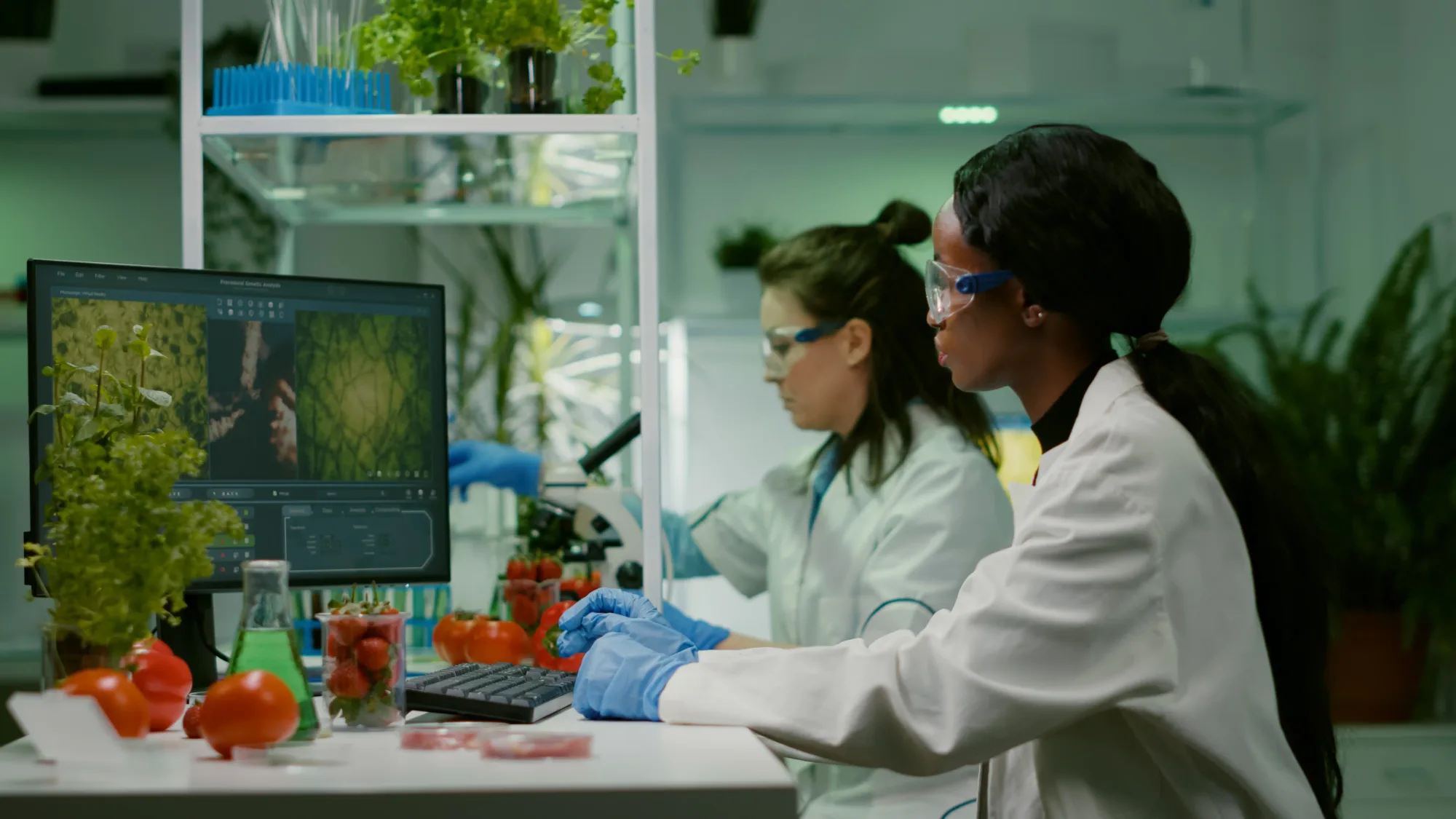
If you spend any time following stem cell and regenerative medicine research, you've probably come across mentions of Gordon Research Conferences, or GRCs. They're not as widely known outside academic circles as major society conferences, but within the research world they carry a lot of weight. The Developmental Biology GRC, listed through ISSCR as one of the field's key unaffiliated events, is a good example of why these smaller, closed-door conferences matter more than their size would suggest.
What a Gordon Research Conference Actually Is
Gordon Research Conferences aren't your typical academic conference. There's no massive expo hall, no thousands of attendees moving between parallel sessions, and notably, no live-tweeting or public reporting of results. GRCs are built around presenting cutting-edge, often unpublished research to a relatively small, focused group of scientists, with plenty of time set aside for actual discussion after each talk rather than rushing to the next presentation.
The Developmental Biology GRC follows that same format. It runs for five days, and it's deliberately held in a remote location. That's not an accident. Pulling scientists away from their usual routines and putting them somewhere quiet, with shared meals and open afternoons, tends to produce the kind of informal conversations that formal panels rarely allow for. A lot of meaningful collaborations in science start over a shared table, not a podium.
Why Discussion Time Matters More Than It Sounds
One detail that stands out about this conference format is how much weight is put on the discussion period after each talk. In a lot of larger conferences, that time gets compressed to a couple of quick questions before the next speaker takes over. At the Developmental Biology GRC, discussion is treated as a core part of the program, not an afterthought.
That matters for a field like developmental biology, which sits right at the intersection of a lot of stem cell research. Understanding how cells differentiate, how tissues form, and how developmental pathways get switched on and off is foundational to almost everything happening in regenerative medicine right now, from lab-grown organoids to cell replacement therapies like the retinal transplants being tested for macular degeneration. Getting that kind of research questioned and refined in real time, by other experts in the room, is part of what makes these conferences valuable well beyond the week they take place.
Room for Every Career Stage
Another thing worth noting is that the conference isn't just built around senior investigators presenting to junior scientists. Poster sessions are open to researchers at every career stage, and the schedule deliberately builds in free afternoons and communal meals specifically to create informal networking opportunities. For graduate students and postdocs, that kind of direct access to established leaders in the field, outside of a formal Q&A setting, is genuinely hard to come by elsewhere.
Why This Kind of Event Shows Up on a Site Like ISSCR's
ISSCR lists the Developmental Biology GRC among its collection of unaffiliated events, meetings the society doesn't organize directly but recognizes as valuable to the broader stem cell and regenerative medicine community. That's a useful signal in itself. When a leading professional society in stem cell research points its members toward a conference it doesn't even run, it's usually because the event is producing work and conversations that meaningfully move the field forward.
The Bottom Line
Conferences like the Developmental Biology GRC don't generate the same headlines as a major clinical trial result, but they're often where the groundwork for those results gets built. Small, focused, and deliberately unhurried, this kind of meeting is where a lot of the unglamorous, foundational science behind stem cell breakthroughs actually gets worked out, one conversation at a time.
For more coverage of the research and events shaping the stem cell field, take a look around MyStemCellGuide.
This article is for general information only and is not medical advice. Always consult a licensed physician. Individual results vary and no outcome is guaranteed.